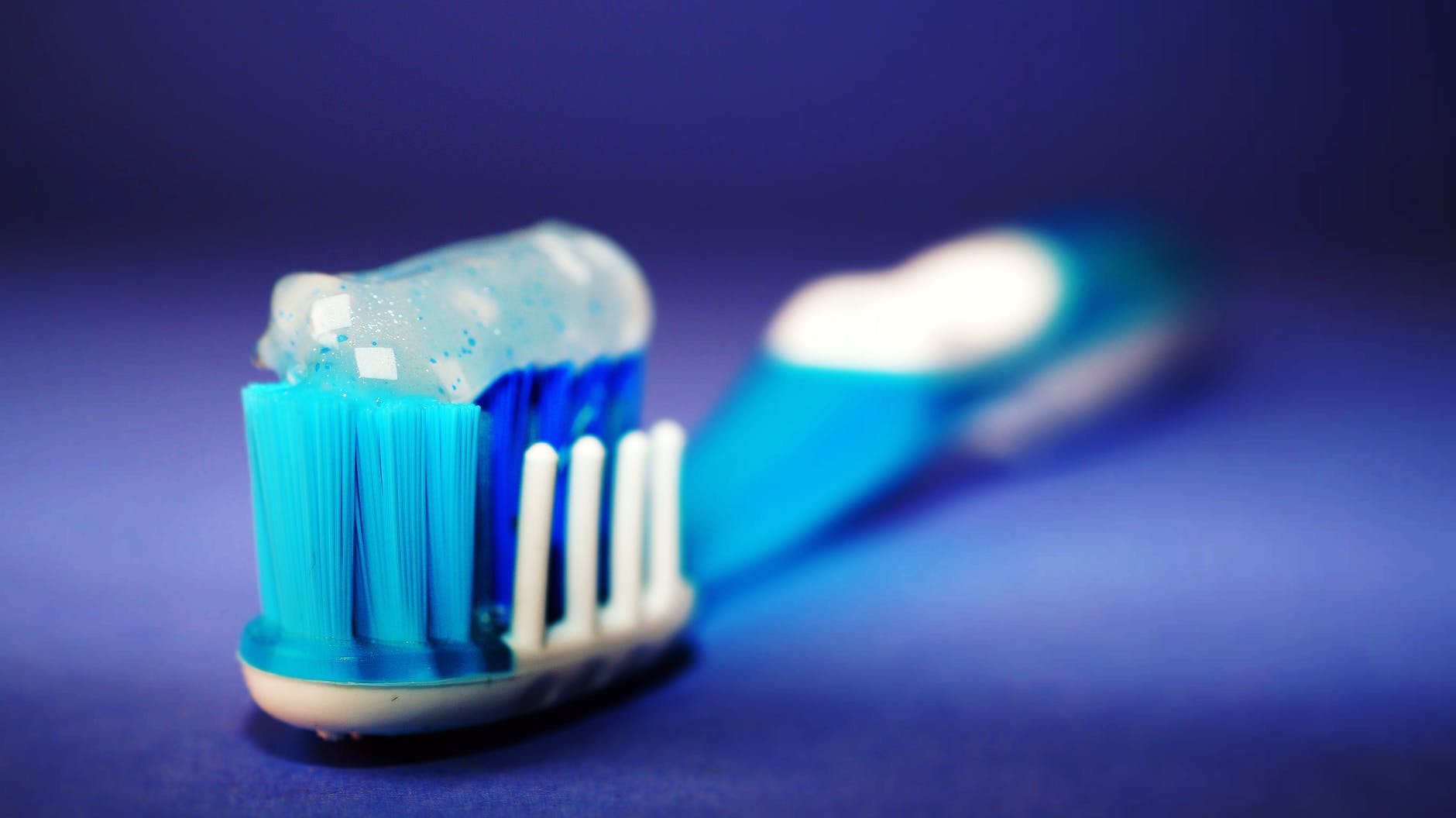
Toothpaste, we are told to use it twice a day. But do we actually know what’s in it? Isn’t it just a minty paste with fluoride? Apparently not, here is what you can find in your toothpaste that you might not know!
- Polishing agents, such as silica and calcium carbonate – these are used to help lift stains and plaque. Too much of this can strip enamel – this leads to exposure of the underlying yellow dentine and can cause chronic sensitivity. Keep an eye out for the relative dentine abrasion or RDA value. If this is above 50 you could be causing enamel erosion.
- Fluoride – this was first introduced to toothpaste in the 1890’s. It’s discovery as an effective anticavity ingredient means it is now an important medicine in the fight to prevent caries. It is normally found in a concentration of 1000ppm-1450ppm in the form of sodium fluoride or sodium monofluorophosphate and is the active ingredient in toothpastes to combat dental caries. It works by remineralising enamel and increases the strength of healthy enamel against acids. For children, a lower concentration is used. As fluoride, if ingested in high concentrations, can affect developing teeth causing fluorosis and sometimes can cause an upset stomach.
- Humectants, such as glycerine, sorbitol, propylene glycol. These give toothpaste texture and helps prevent it from drying out. They trap water within the paste keeping it smooth and paste-like.

- Gelling agents, such as carboxymethyl cellulose, carageenans, hydroxyethyl celluose. Gelling agents help keep toothpaste together, stopping it from separating into a liquid and solid. They also keep toothpaste thick to maintain its consistency
- Foaming agents are exactly that, they give toothpaste its foaminess. They are also mildly antibacterial. The most common foaming agents are sodium lauryl sulphate (SLS), sodium dodecyl benzene sulphonate, coco monoglyceride sulphate. SLS can be mildly irritating as it is a detergent, and those who suffer with a dry mouth may benefit by looking for an SLS-free toothpaste, however its benefits are accepted as outweighing its drawbacks.
- Flavourings are used to improve the overall taste of toothpaste. For many people this is an important factor when choosing a toothpaste. Flavours which feel refreshing tend to be the most common, such as peppermint, spearmint, eucalyptus
There is a whole range of toothpastes out there, we have mentioned the most common make up of your average toothpaste. But there are hundreds of alternative toothpaste formulations that have been adapted to different dietary needs, allergies, ethical concerns etc. The key to getting the most out of any toothpaste is to combine it with a lifestyle of a low sugar diet and a good oral hygiene regimen which incorporates daily flossing and annual dental checks.
 dentalsmackers