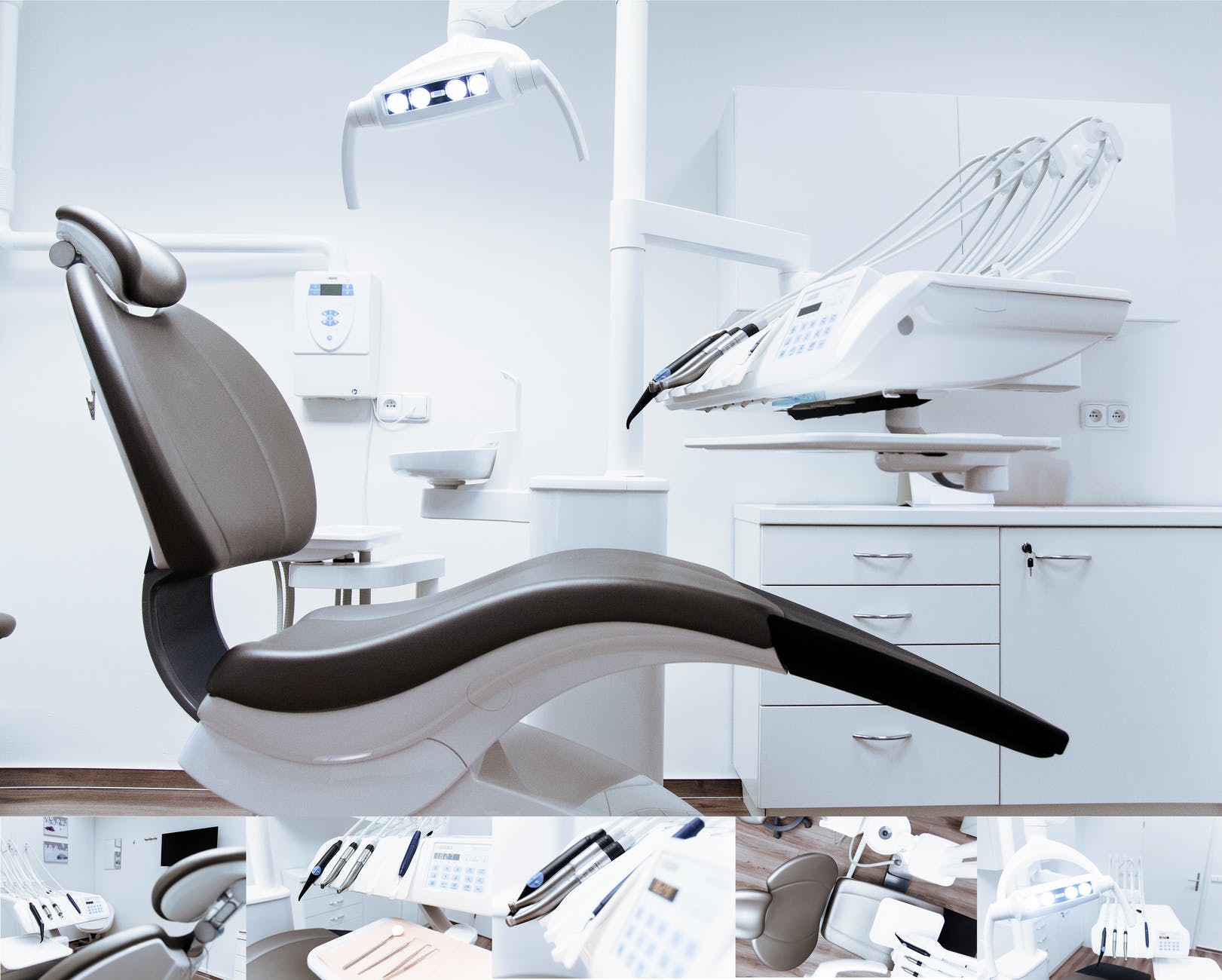
For some people, going to the dentist is a religion; ‘checkup and clean every 6 months’. But for many people, going to the dentist can be daunting, and for some people it can be a whole new experience. So here is what’s good to know when you go to the dentist.

- Firstly, you will make an appointment by calling the reception or walking in and speaking directly to the reception. They will advise you on the current availability on their register. Some practices will have a full register, this means they are not taking on new patients and you will be unable to make an appointment. They may place you on a waiting list and offer to call you if this changes. Dental practices usually limit the number of people on their register at any one time, so that those on the register can be seen in a timely manner especially in the event of an emergency. If there is availability they will offer you an appointment. Appointments during working hours on weekdays will tend to be the soonest.

- In order to confirm your appointment some details will be taken. Most commonly this will be your name, date of birth, address, contact number and sometimes an email address. You may also be asked about any medical conditions or sent/given a medical history form to complete before the appointment. This form will allow the dental team to be aware of any precautions that need to be taken, for example if you have an allergy. You may also be asked if you have a current toothache or require a checkup, this will allow the dentist to prepare for any emergency treatment required on the day of the appointment. Finally, you may be asked to pay a deposit to secure your booking, in some cases this may be credited towards the cost of any treatment. Deposits help to deter non-attendance in dental practices, which can severely damage a practices revenue and also affect access for other patients that may need urgent care.

- On the day of your appointment, you will identify yourself and sign a document confirming that you consent to a dental assessment. You will then be asked to sit and wait to be called. If you think you may be late to the appointment , you should call and inform the receptionist. They will advise you on whether it is better to reschedule your appointment or if the dentist is also running lat. If you need to cancel the appointment it is worth doing this at least 24 hours before the appointment, this gives the practice an opportunity to utilize your cancelled slot and is greatly appreciated. Some practices will have a policy of failure to attend (which can include cancellations less than 24hrs before the appointment), and having a series of failed attendance can result in being deregistered from the practice. This means you will no longer be seen and will have to find another dental practice. Be aware that it is not uncommon for the dentist to overrun, this can be for a number of reasons, this can leave you waiting upwards of an hour – so be prepared, if you need to be somewhere inform the reception, who can relay the message to the dentist.
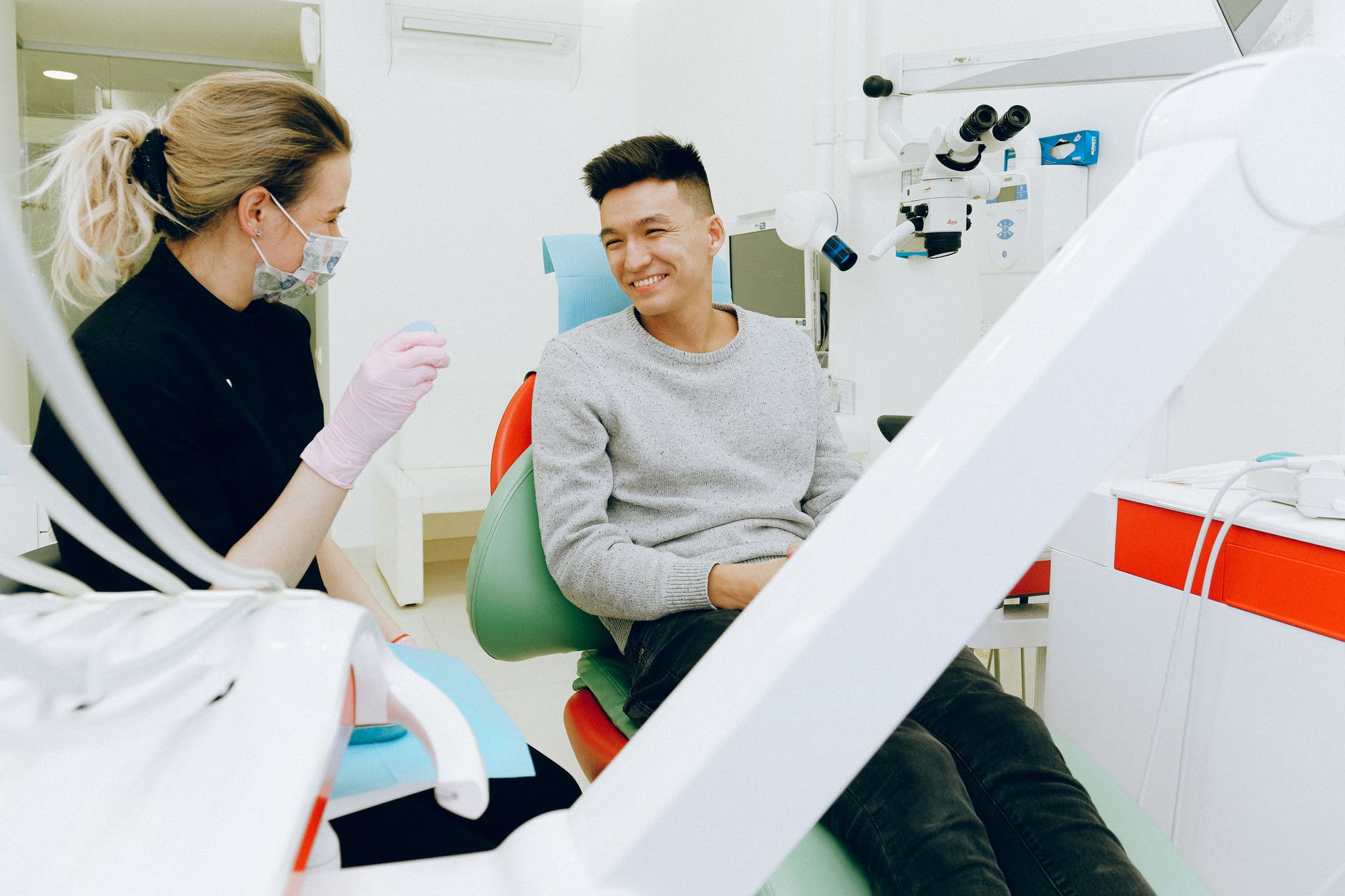
- When you are called into the dental surgery room usually a nurse will escort you. In the surgery you will be asked to place your belongings to one side and have a seat in the dental chair. The dentist will introduce themselves and begin to ask you some questions about your health and any current dental problems. Now is a good opportunity to give as much information about yourself as possible and to clarify any queries you have. For example, treatment costs, cosmetic/specialist options, what to expect from any treatment, any fears/phobias you may have.

- During the dental investigation you will be asked to sit back and the chair will be laid horizontal. This can feel quite far backwards, so it is important to communicate with the dentist if you are uncomfortable with being laid back too far. The dentist will use a small mirror and probe to investigate the strength and quality of your teeth. They may also gently press a softer probe into your gums, this checks the health of the gums. You will hear the dentists announces numbers and letters to the nurse who will be clicking on the computer, this logs and updates a chart of your teeth which can be referred to at a later date.
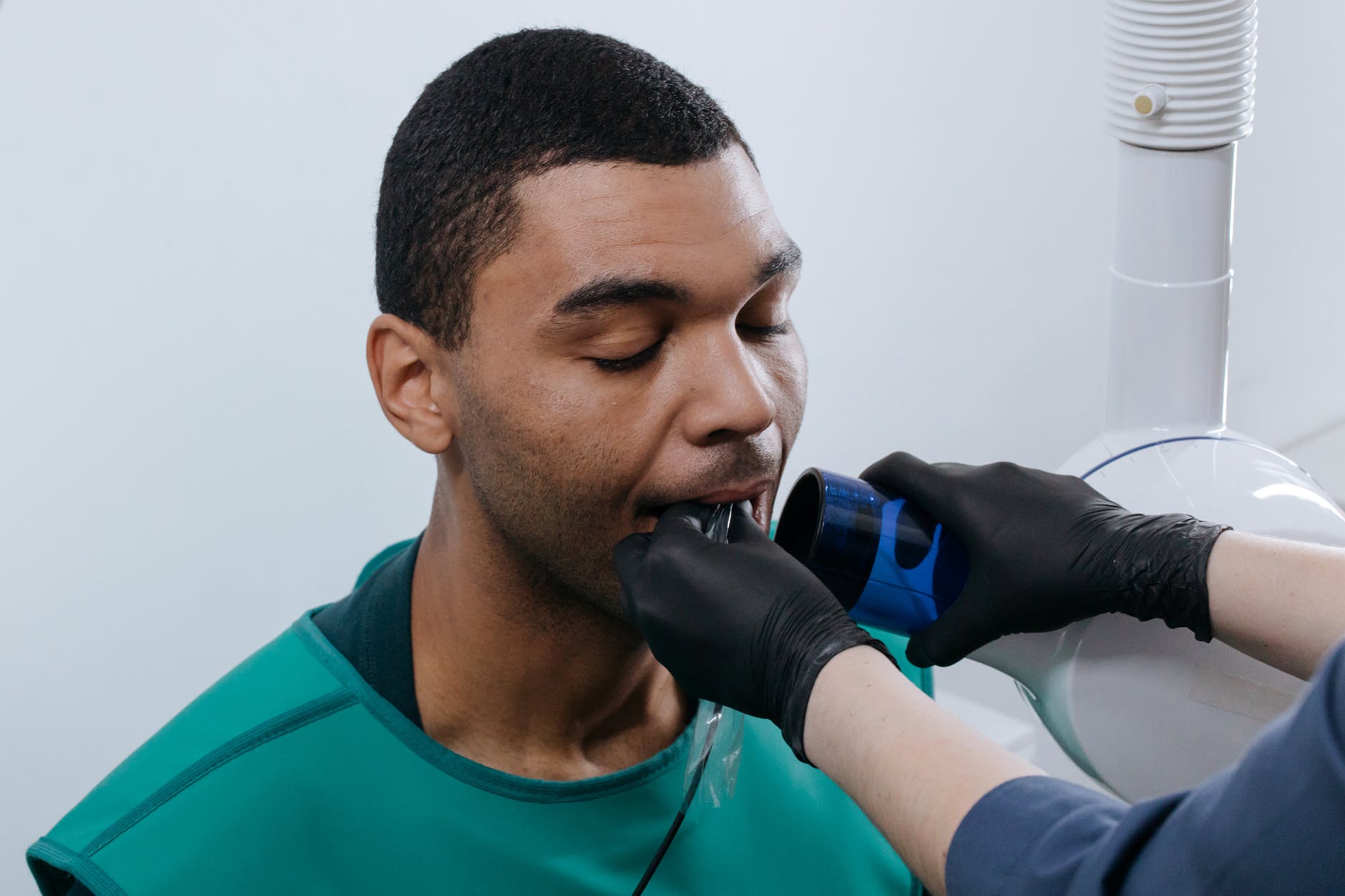
- The dentist may consider taking x-rays if they suspect something needs further investigation e.g. decay, infection, bone loss etc. They will ask you first for your consent. A small x-ray will involve a film placed in your mouth in a plastic holder which you will bite onto. The x-ray is taken by a piece of equipment usually connected to a wall. The machine has a long cylinder that will be pointed at your face. The dentist and nurse will step out of the room and press a button – like taking a picture. The x-ray will take a few minutes to process upon which the dentist will inspect and discuss the findings with you.
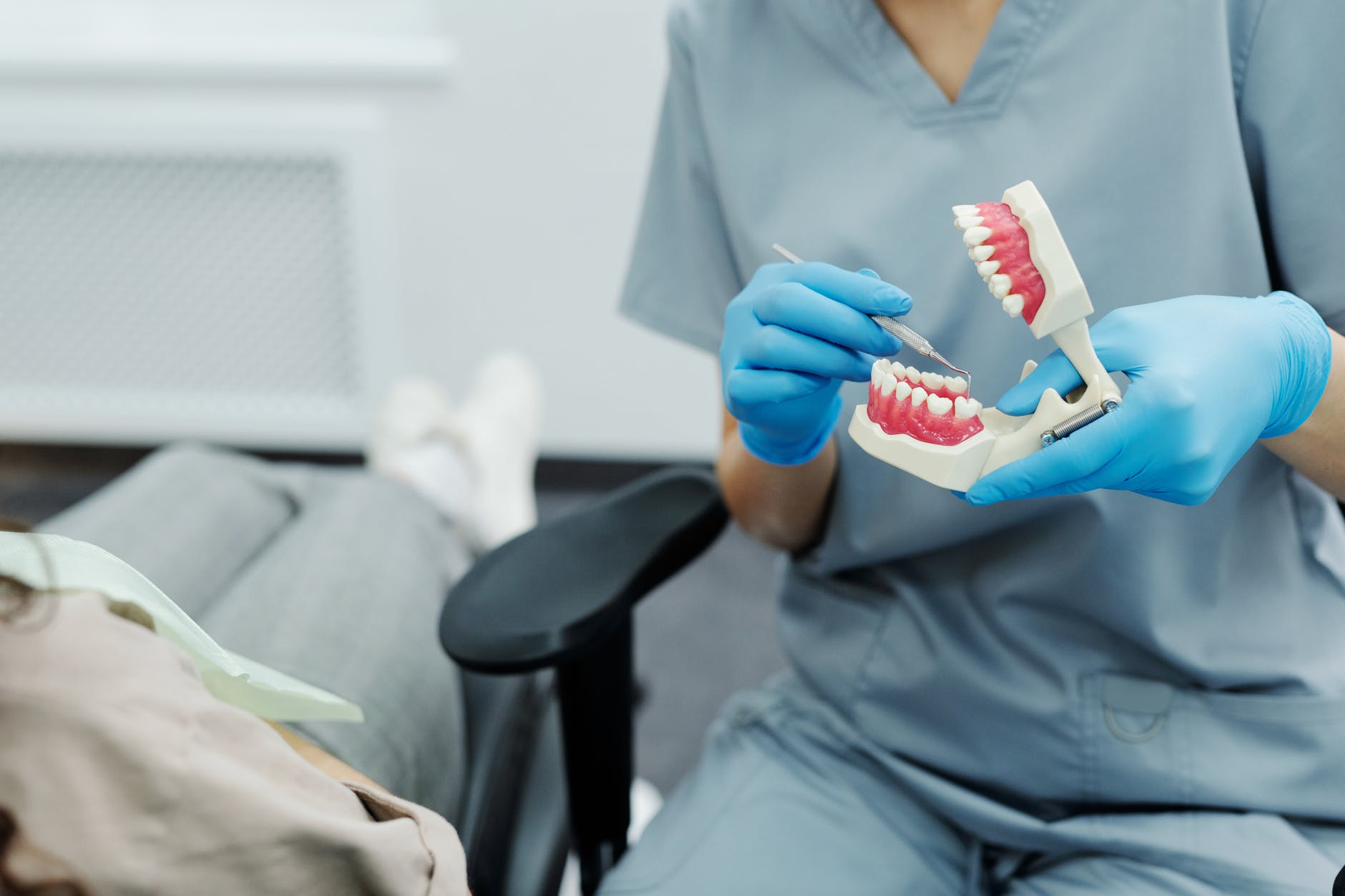
- At some point the dentist will discuss your oral hygiene, diet, smoking, alcohol habits. It is important to be accurate and honest when asked these questions as this will shape the overall advice the dentist will give you, including what disease you are at risk of.
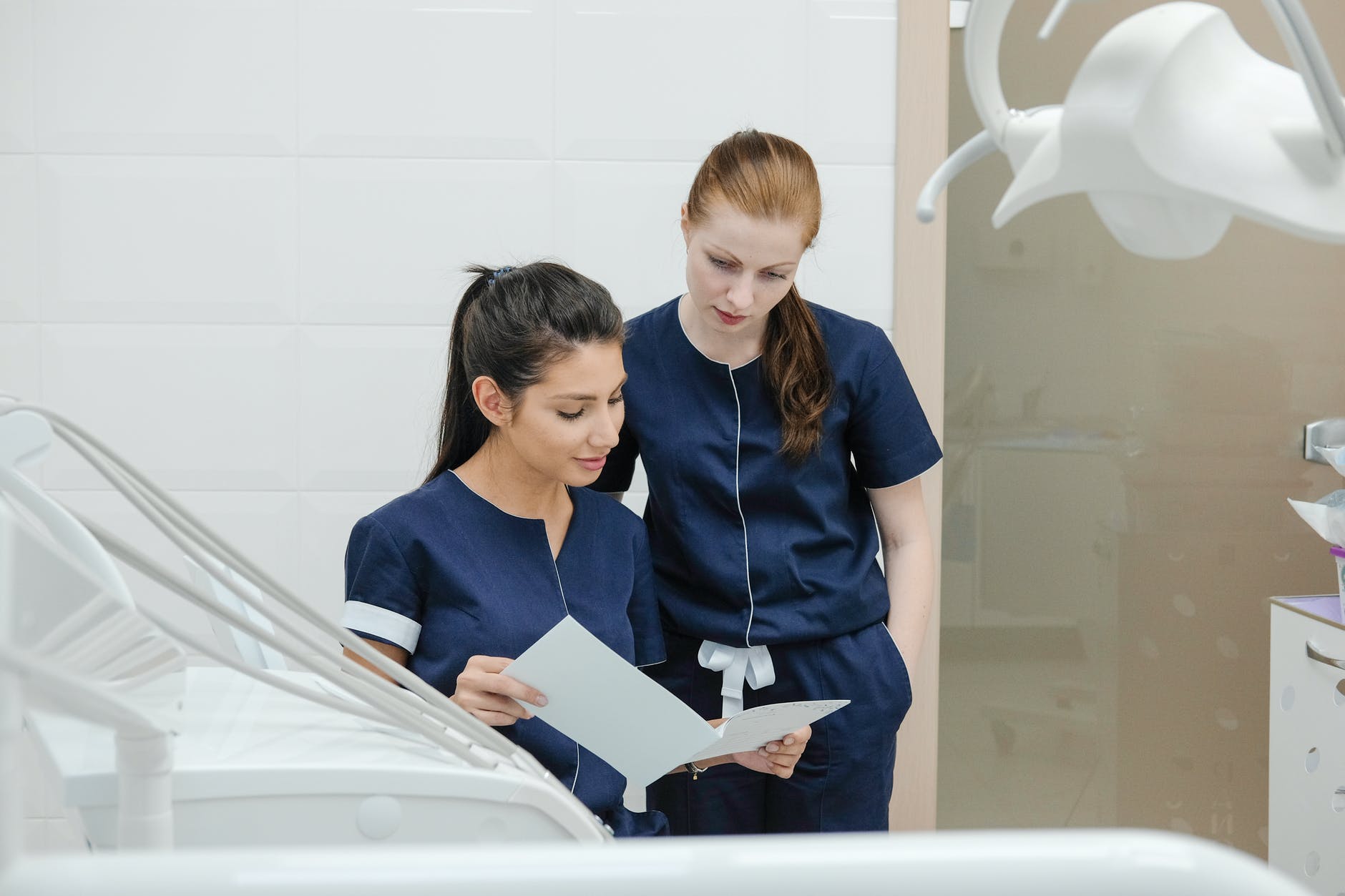
- Finally the dentist will sum up the findings and recommend treatment where appropriate. They will advise you on the number of appointments needed, cost, risks, benefits, complications and prognosis of any treatment.
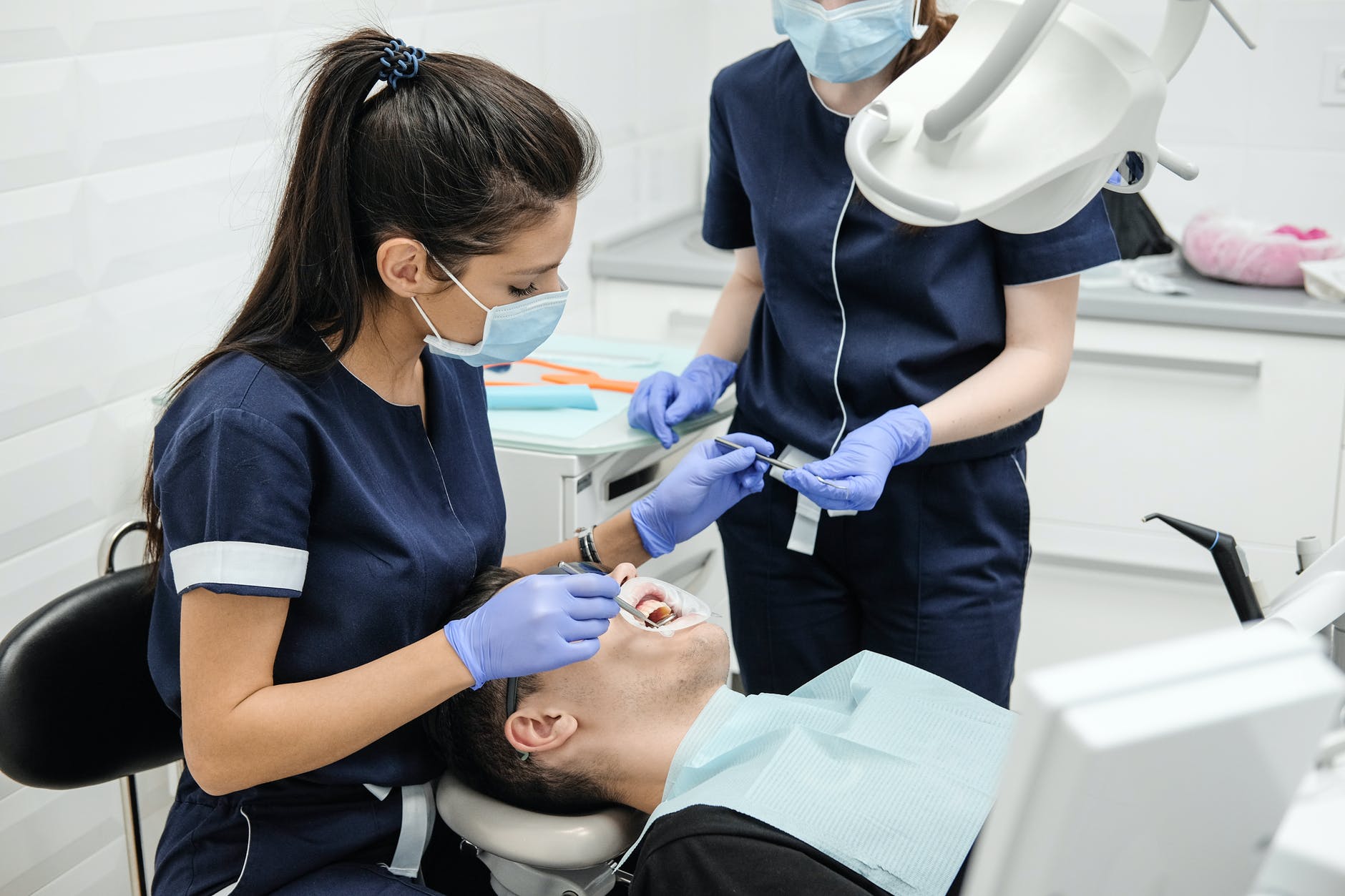
- If there is time or if something is urgent then treatment may be started immediately. For complex treatment, or treatment out of the skills of your dentist, you may be referred to another clinician, consultant for further investigation. Your dentist will arrange for you to be contacted by post, phone or email by the other clinician.
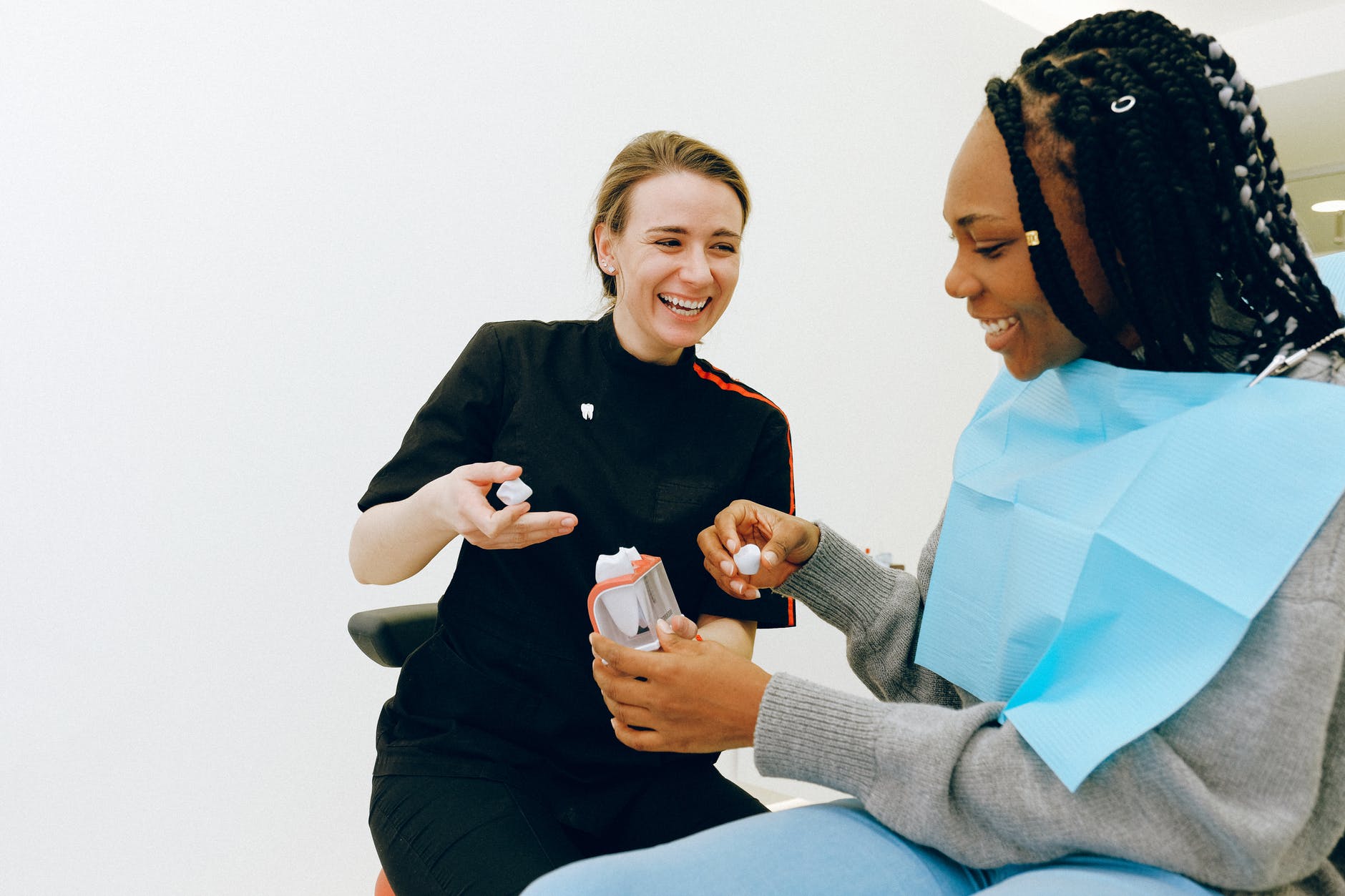
- A good rule of thumb when visiting the dentist is not to be afraid of asking questions. Some things can sound complicated or overwhelming but it is the responsibility of the dentist to make sure you understand your treatment. If you feel that you cannot build a rapport with your dentist then it may be worth considering seeking another dentist. What makes a good patient dentist relationship is the feeling that you are being listened to, and no amount of training can guarantee every dentist connects with every patient.
 dentalsmackers