
Bad breath or halitosis can be annoying, embarrassing or even a sign of an underlying health condition. In some cases it can lead to anxiety, depression or ocd. Here are 10 secrets behind bad breath and what it means

- Halitophobia – It might not be as bad as you think – there is a condition known as halitophobia which means a fear of having bad breath. This can affect up to 25 percent of people who have sought advice on bad breath. It literally is the belief of bad breath when actually there is none. This can be because it is difficult to judge the taste of our own breath and also the embarrassment of having to ask someone how your breath smells.

2. Reflux – Although uncommon, bad breath could be linked to reflux of stomach contents back up the esophagus. This can be caused by a number of things such as certain foods – spices/coffee/alcohol/fatty foods/low fibre foods, smokers, in sufferers of bulimia nervosa, and most commonly in people who suffer from an overly relaxed esophageal sphincter. This is the muscle that closes the esophagus and prevents the stomach contents from flow backwards. Reflux can be treated by altering the diet or medications, but a diagnosis from a doctor should be obtained first.

3. Tonsils – Everyone has tonsils and they are actually an important part of the immune system; stopping bad bugs in the mouth getting into the body. Sometimes they get clogged with debris from the mouth which can calcify (harden) leading to a condition called tonsil stones. Sometimes these can smell; giving rise to halitosis; the most common complaint of tonsil stones. This can be treated by a doctor and in some cases removal of the tonsil is recommended.

4. Tongue – The back of the tongue should look pink, however sometimes it can have a different colour. This change in colour can be caused by build-up of biofilm, as the tongue is not a naturally self-cleansing area. This biofilm may be made of dead cells, food debris, and different types of bacteria. Some bacteria can release volatile sulphur compounds which has the classic ‘rotten egg’ smell. Regular brushing of the tongue can disrupt and reduce the build up of this biofilm.
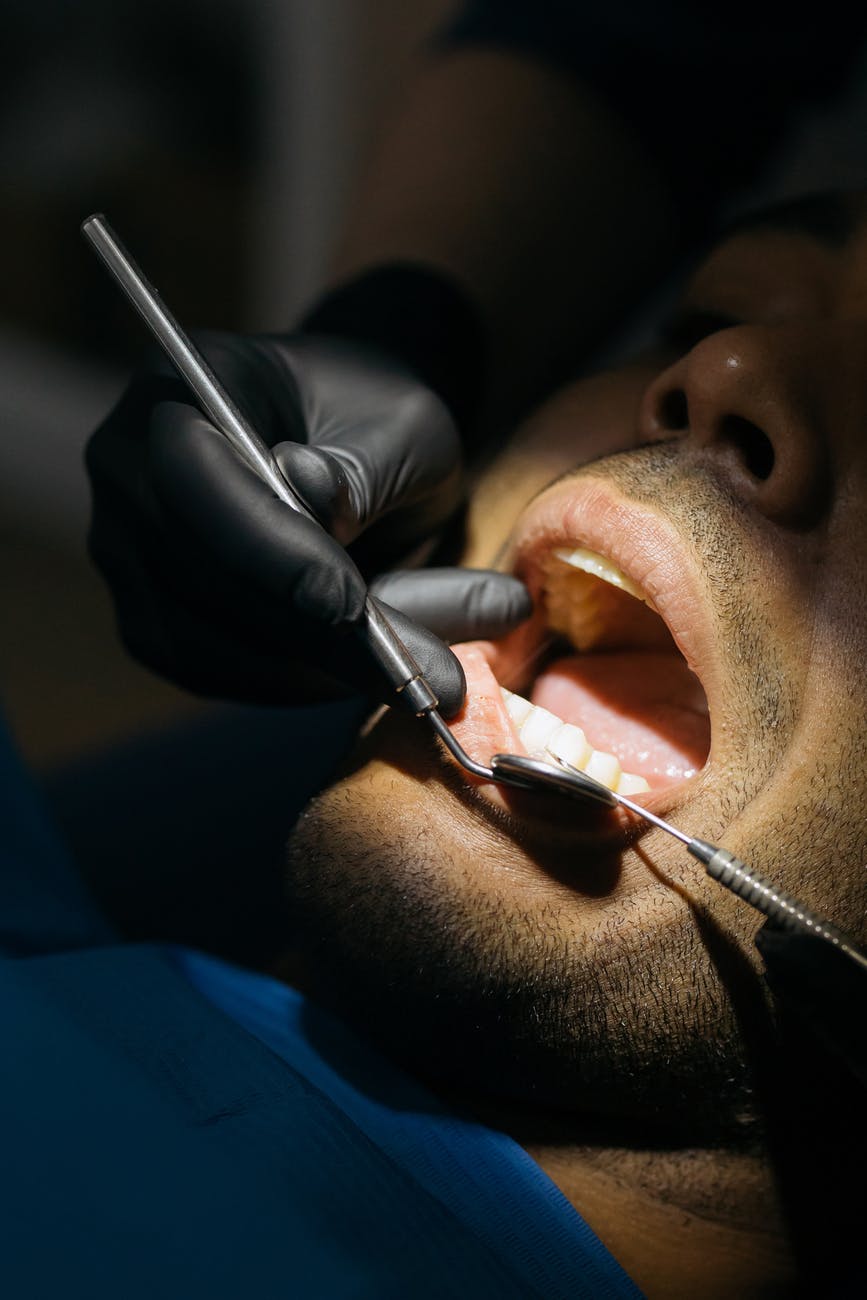
5. Gum disease – Bacteria love cosy spaces and the gums have just that. The space between the tooth and gum (known has the gingival crevice) can be thriving with bacteria if not kept clean, this can lead to infection and build-up of pus. The gums swell with blood and fluid. This chain of events leads to gum disease and can give rise to a bad odour. This can be managed with regular flossing and dental hygiene treatments
 dentalsmackers