
The world of teeth is a minefield filled with plenty of dental myths. Here are 5 dental myths to watch out for!

- Oil Pulling
The mere mention of oil pulling sends shivers down the spines of dentists. Its association with ayurvedic folklore has led to hippies jumping on the bandwagon to promote this trend. It involves swishing a cup of oil for up to 20minutes non-stop in your mouth, with promises of curing all-sorts of mouth diseases. However there is no concrete evidence to suggest it has any more benefit then simple toothbrushing and flossing. If you see someone plugging this practice I wouldn’t be surprised if they are making some dollar on the side.

- Charcoal Toothpaste
Charcoal is in vogue, its striking black appearance gives it an incredible marketing angle. It has caught on in the beauty industry largely due to its adsorption properties in its activated form – which is a way of saying that stuff sticks to it well – a popular use is in skincare to remove impurities. Commonly marketed as whitening toothpastes; however the whitening effect tends to come from abrasive agents in the formula such as baking soda. This effectively grinds stains from the surface enamel but also grinds the enamel away over time – this makes them a dentists nightmare. Moreover, loss of enamel leads to exposure of the underlying dentine which is YELLOW. So using these toothpastes ironically results in teeth appearing more yellow over time!
- Fluoride free
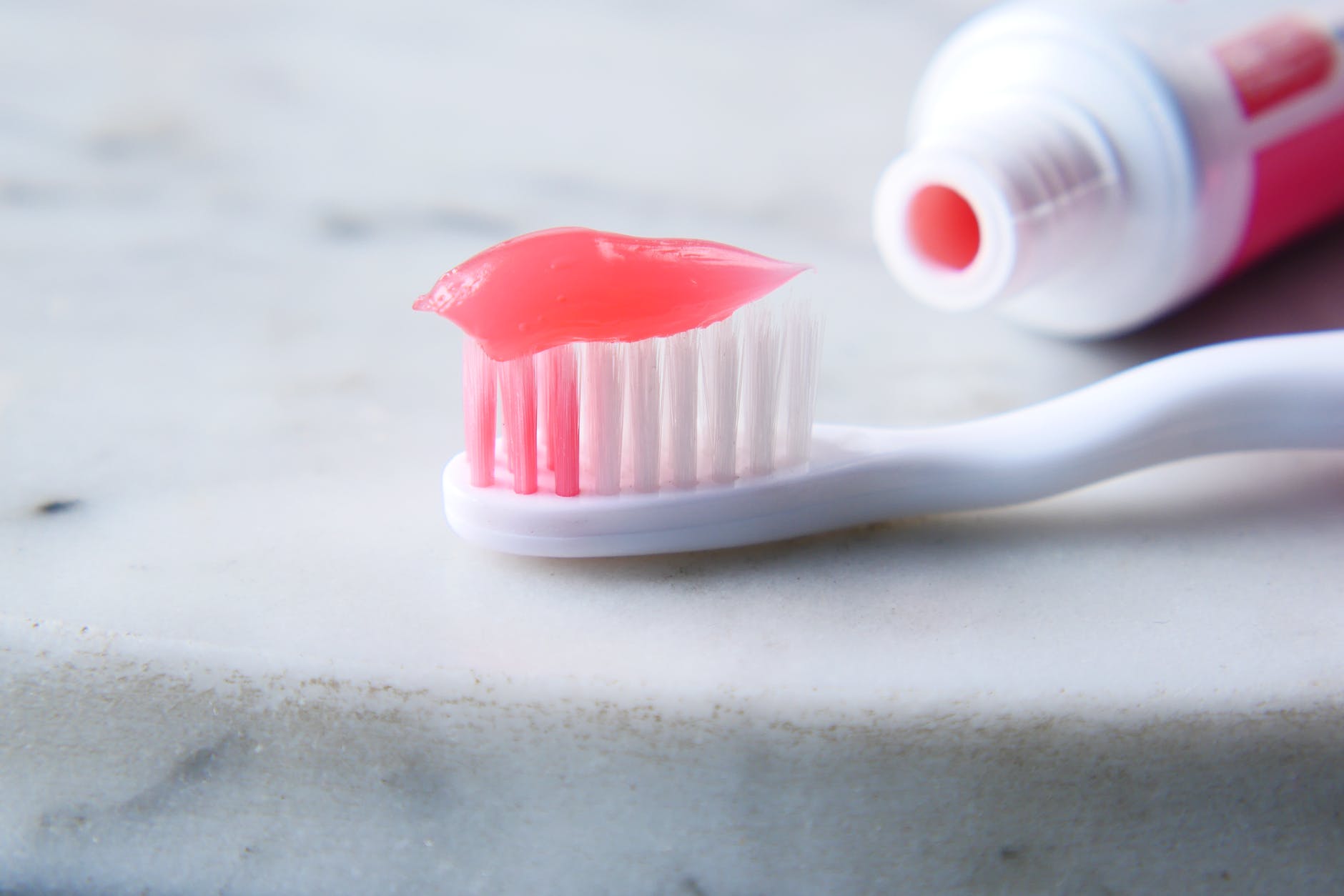
Fluoride has had a bad rap over time, with accusations that it can cause all sorts of diseases. This had led to the development of fluoride-free products, notably fluoride-free toothpastes *cue facepalm*. Unfortunately the whole point of toothpaste is to deliver fluoride into the teeth to reduce the risk of dental decay and therefore toothache
- Brushing and bleeding
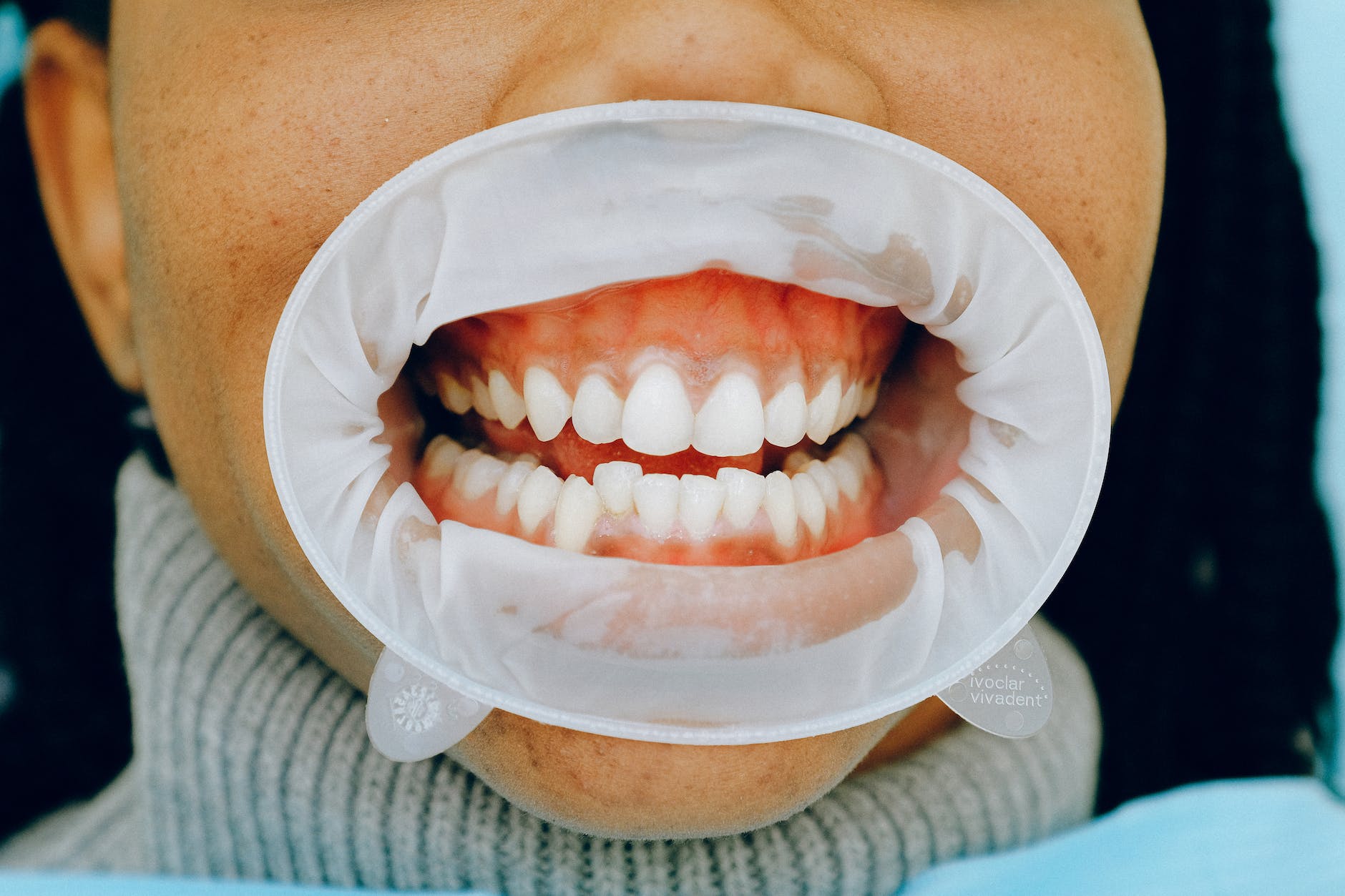
A common misconception is that brushing causes bleeding gums. In fact, under-brushing or not brushing is one of the most common causes of bleeding gums. This is because brushing removes deposits of dirt that collect along the gum line. This dirt is full of bacteria and food debris which irritates the gum tissue. The body will send blood to the gum to try and clean the area, this continues until the dirt is brushed away. If the dirt stays too long then it can calcify building up a hard plaque, which normally can only be removed by a dentist. So the first step to solving bleeding gums is to brush and floss away that dirt!

- Brushing and Sugar
It would seem common sense that brushing straight after a sugary snack will prevent decay. In fact, research shows that immediately after having something sugary the enamel is slightly weaker for up to 30minutes, due to acid formation after bacteria consume the sugar. This makes the tooth susceptible to being worn away by brushing. Therefore, it is better to wait half an hour before brushing to prevent the enamel being worn away. Even better- cut out the sweets!
 dentalsmackers