The Le Fort classification is name after the French Surgeon Renee Le Fort. Who noticed a pattern in the way the bones of the midface fractured during examination of crush injuries in cadavers.
The classification describes different patterns of midfacial fracture and ALL involve pterygomaxillary separation
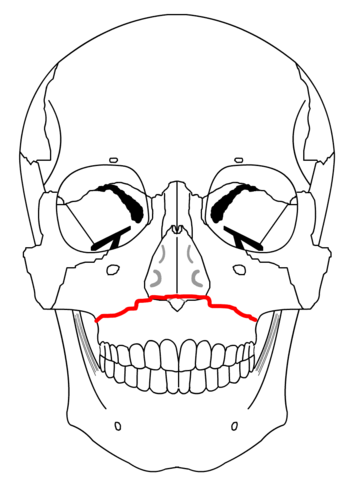
Le Fort I (Horizontal) also known as a Guerin fracture
Involves the lateral border of the nasal aperture, medial and lateral walls of the maxillary sinus. Results in the separation of the hard palate and alveolar process from the upper maxilla creating a ‘floating palate’.
Mostly caused by trauma directed downwards onto the alveolar ridge.

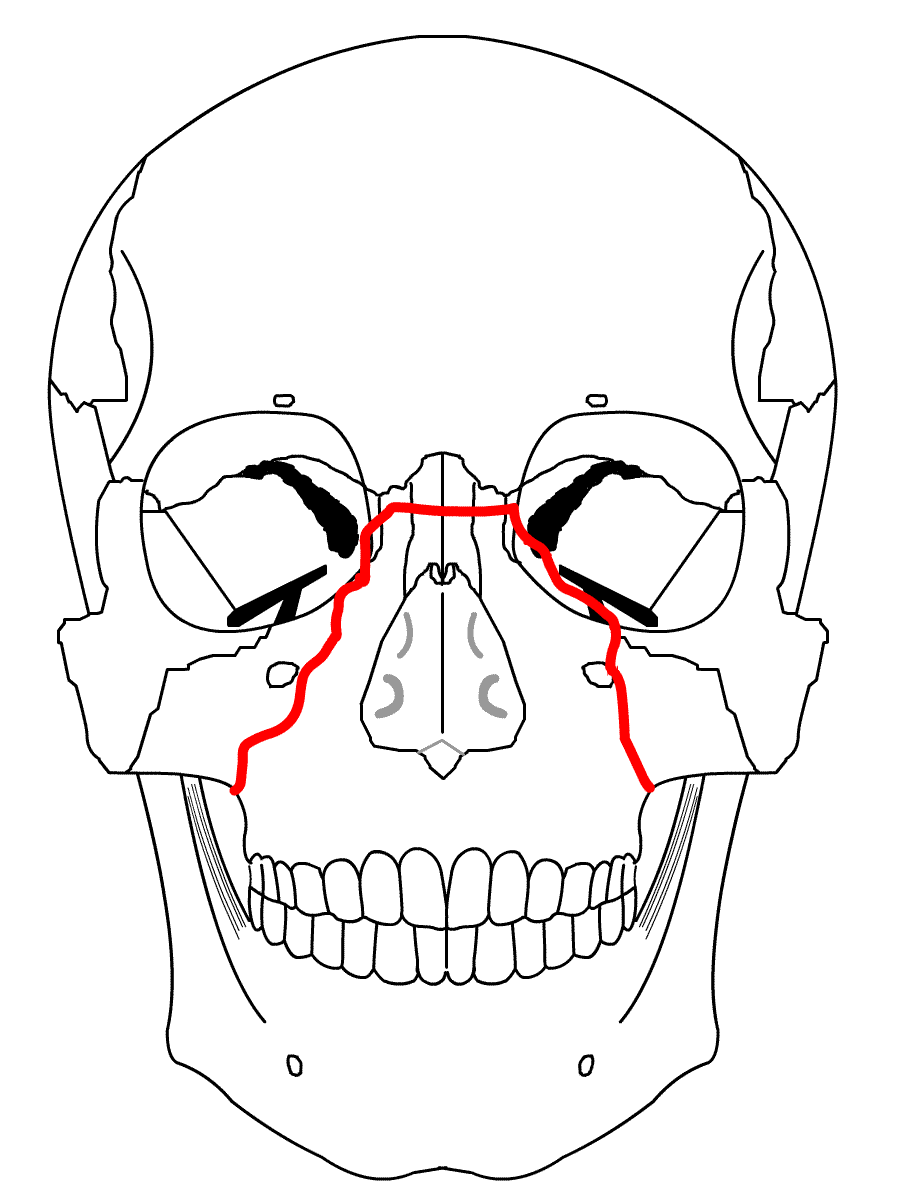
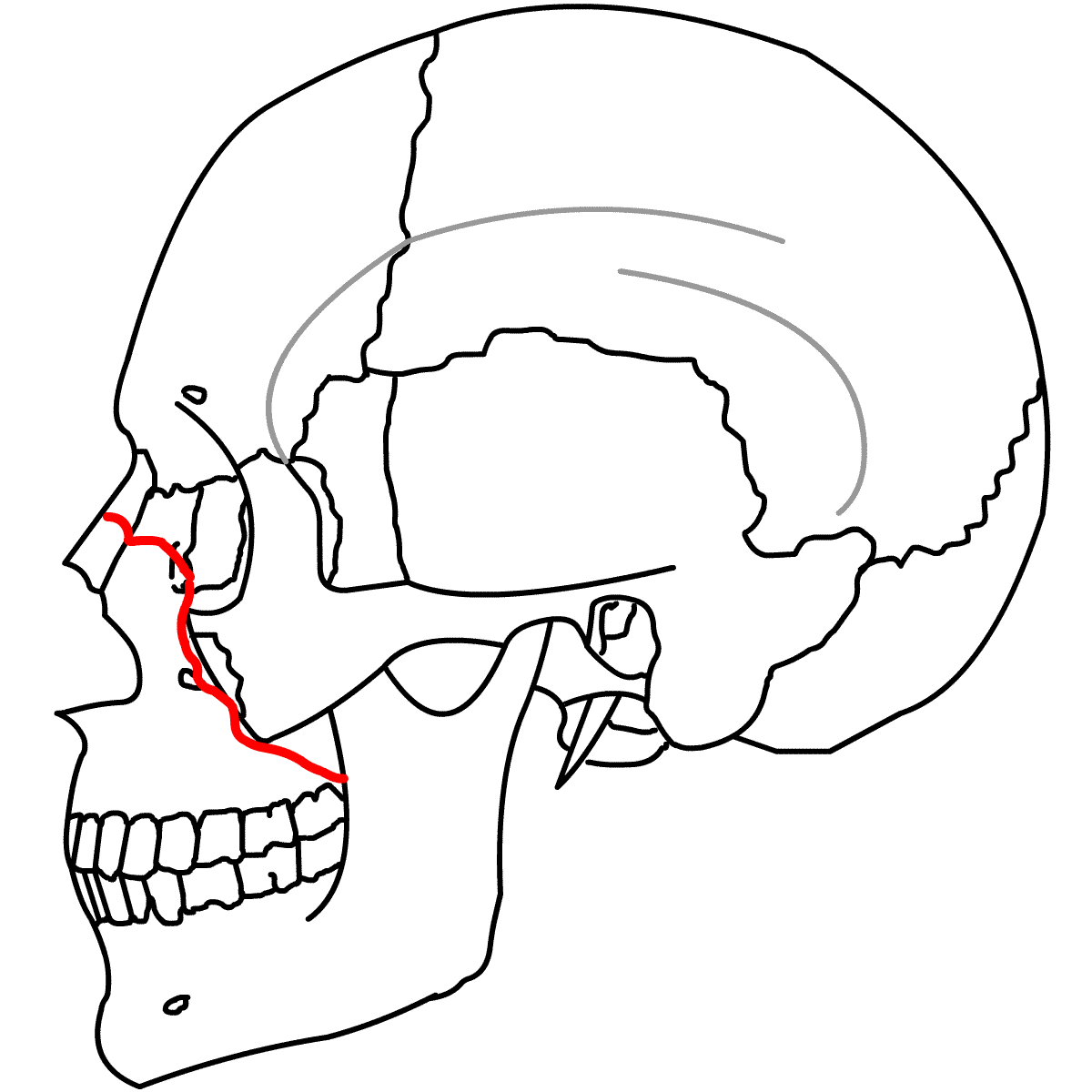
Le Fort II (Pyramidal)
Involves the posterior alveolar ridge, lateral walls of the maxillary sinus, infra orbital rim, medial-anterior orbital walls, orbital floor and the nasal bones.
Mainly caused by blows head-on in the mid-maxillary region
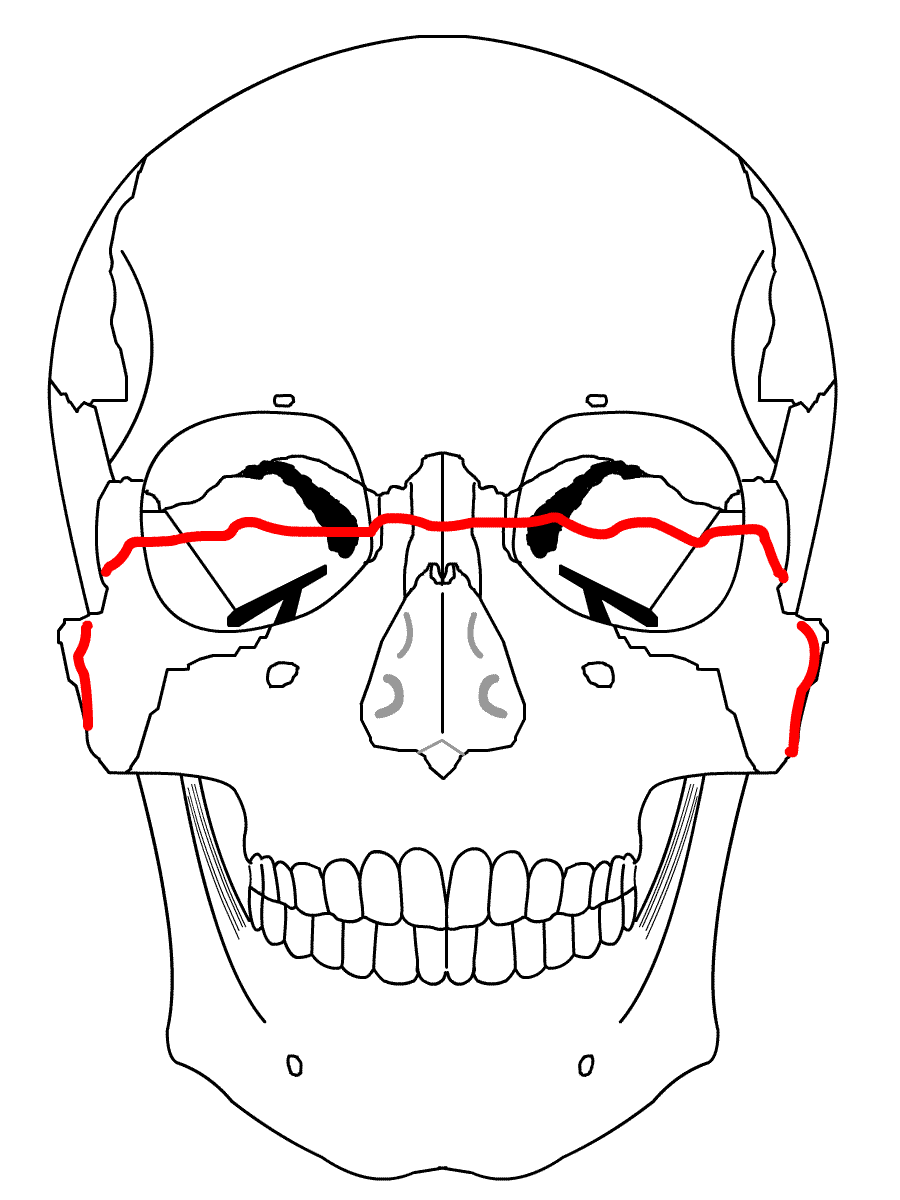
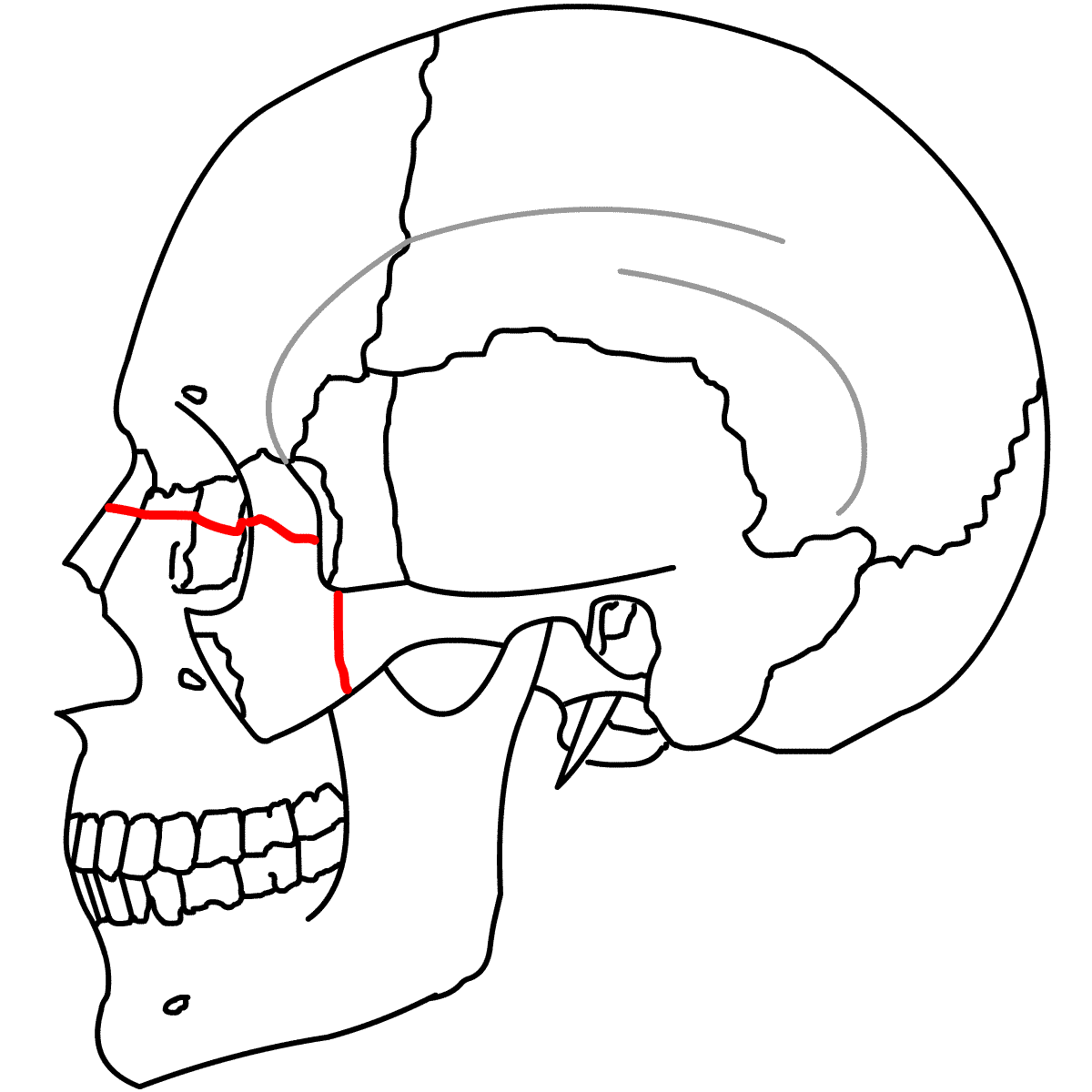
Le Fort III (Transverse) also known as craniofacial disassociation
Involves the zygomatic arch, medial orbital wall, lateral orbital wall (or sometimes the zygomaticofrontal suture), nasal septum/frontonasal suture and ethmoid structures.
Separates the maxilla from the skull base and may affect the optic nerve.
Mainly caused by blows directed slightly downwards on the upper maxilla or nasal bridge
 dentalsmackers